Category: news
-

Meet the Scientist: Vít Peřestý
In this edition of Meet the Scientist we interview Vít Peřestý. He is a researcher at the Czech Geological Survey, where he focuses on the geological evaluation of the area around Litoměřice to check for suitability for Enhanced Geothermal Systems (EGS) and Underground Thermal Energy Storage (UTES).
-

Thermal behavior and efficiency of a MD BTES system measured using a distributed geothermal response test
Researchers from the University of Darmstadt have done research into the thermal behavior and efficiency of a medium-deep borehole thermal energy storage (MD-BTES) system using a distributed geothermal response test (dGRT) on a 750 m deep coaxial borehole.
-
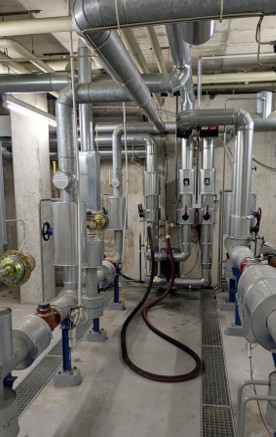
Darmstadt site connects to District Heating Network of TU Darmstadt Campus
A few weeks ago, a very important achievement was reached at the site in Darmstadt. The Medium-Deep Borehole Thermal Energy Storage (MD-BTES) system was connected to the heating network of the TU Darmstadt Campus. We asked Markus Schedel about the process that lead to this achievement and the steps going forward.
-

Spacial Multi Criteria Analysis of UTES in development
Researchers from the University of Geneva are working on developing a Spacial Multi Criteria Analysis (SMCA) of UTES. This tool could help in the future in selecting sites for UTES. But what is an SMCA exactly, what can you do with it and how far along is the process? We asked Yasin Makhloufi and Andrea…
-

Hot Push Pull Tests finished at Berlin Adlershof: a closer look at Hot Push Pull Tests
One of the Enabling Technologies that is being developed by the Push-It project is the Hot Push Pull Test (HPPT). This test should give an insight in the effect that (HT-)ATES has on thermohydraulic storage behaviour, aquifer chemistry, microbiology and fluid-rock interactions.
-
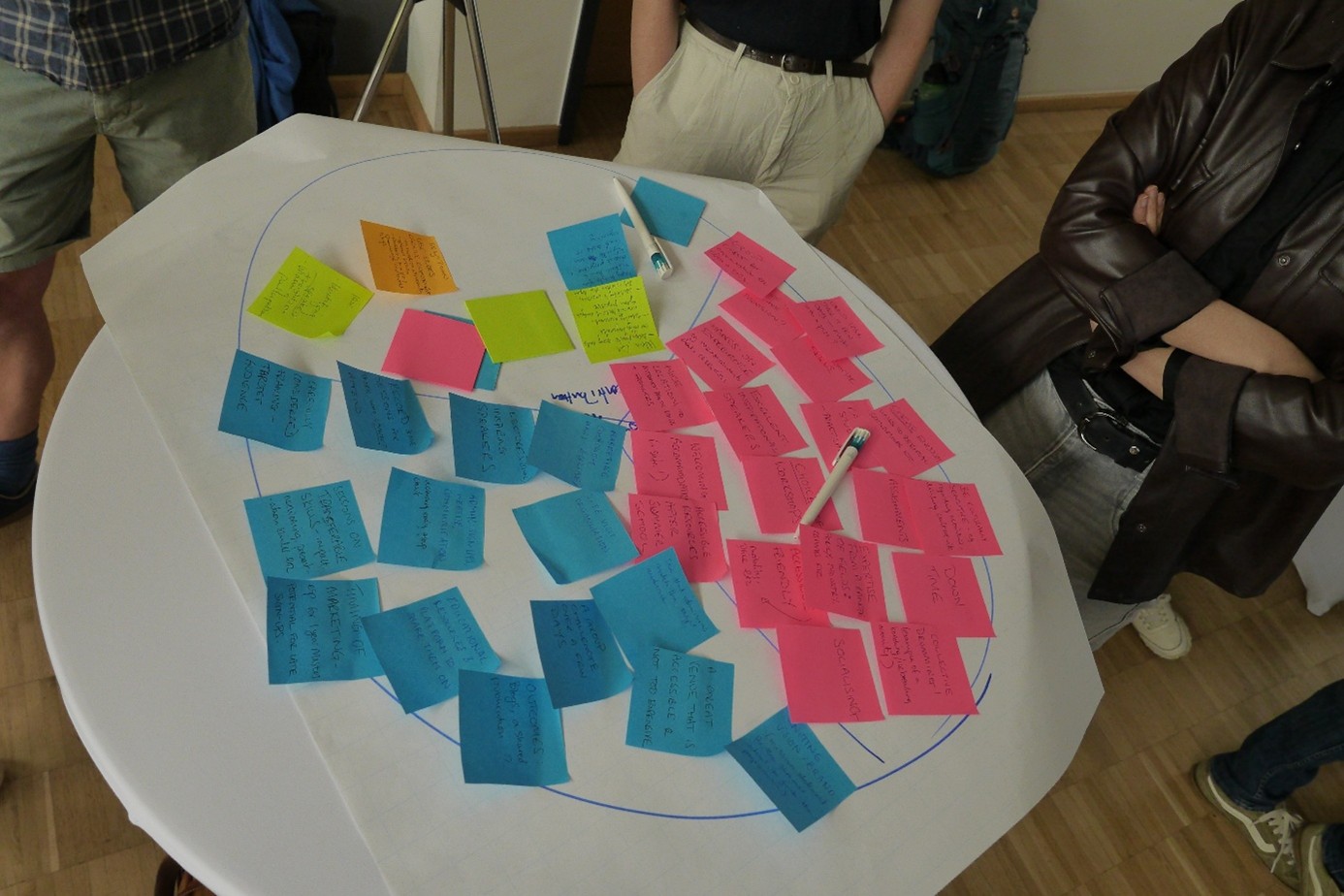
PUSH-IT Round Tables: Engaging Stakeholders to Shape Viable UTES Solutions
In the coming months, PUSH-IT will organise a series of professional stakeholder round tables across its six pilot sites. These interactive sessions are designed to gather insights, drivers, and concerns from the organisations that play a key role in making Underground Thermal Energy Storage (UTES) a successful part of Europe’s future energy system.
-

Mud and well integrity tests performed at TU Delft
At TU Delft, research has been conducted into well design and so called mud and well integrity tests have been performed. We asked Alexis Koulidis, one of the researchers on this subject, what those are and how they contribute to achieving the PUSH-IT goals.
-
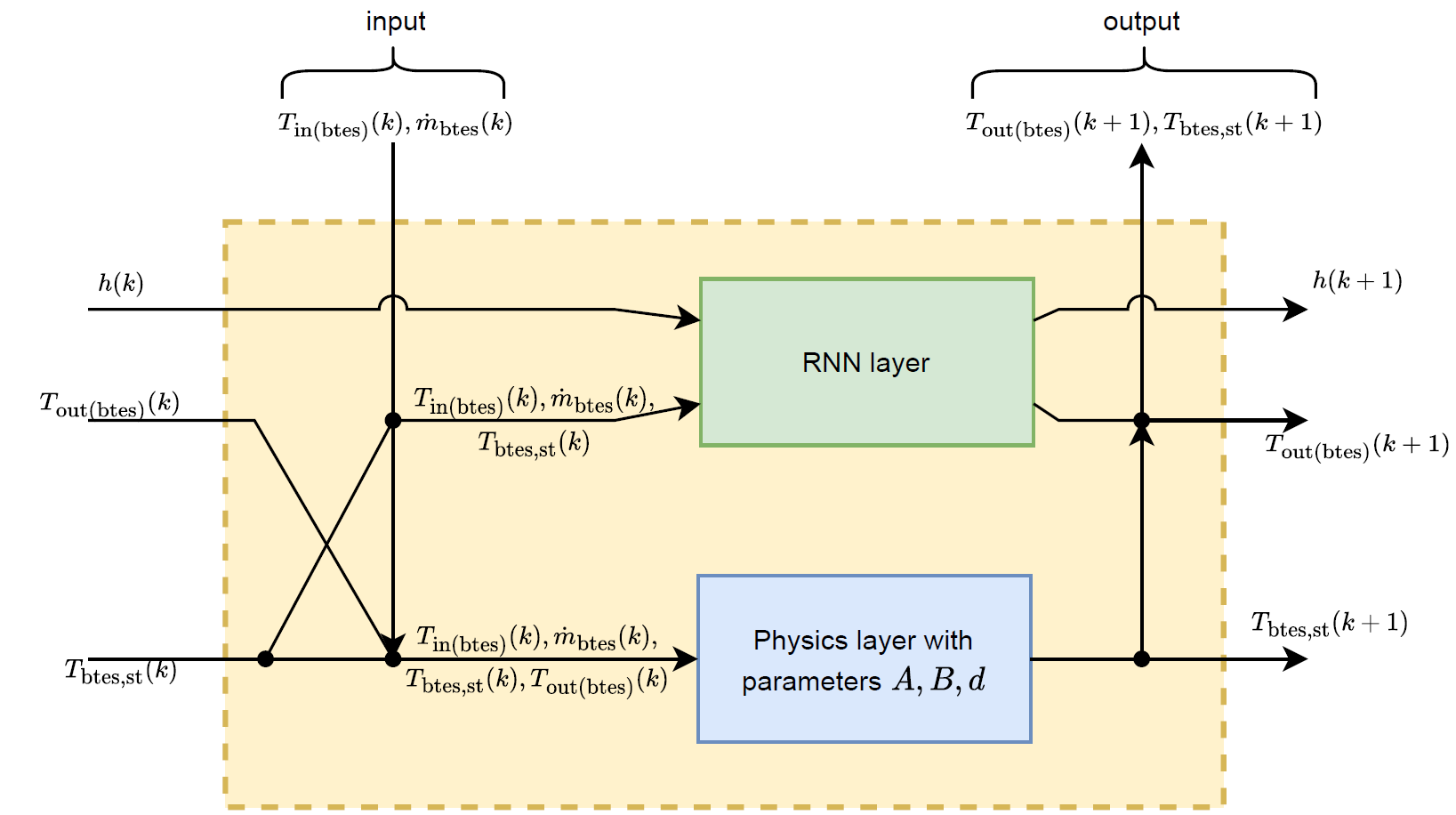
New advances in modelling and optimization of BTES using Neural Networks
Earlier this year, Willem Hagemanna, Jaßper Weichmann, Hannes Gernandt, Franziska Krenzlina and Johannes Schiffer published a paper on the use of neural networks in modelling and optimization of borehole thermal energy storage systems. These physics-based networks help to make the model suitable for optimization and control design.
-
PUSH-IT at the RGS Annual International Conference
At the end of August, a few researchersfrom our consortium attended the Royal Geograpical Society’s (RGS) Annual International Conference in Birmingham, England. Madeleine Kechagia and Merryn Thomas also gave presentations on “Methods and challenges of interdisciplinary collaborations” and “Diverse collaborations for creative energy engagement” respectively.
-
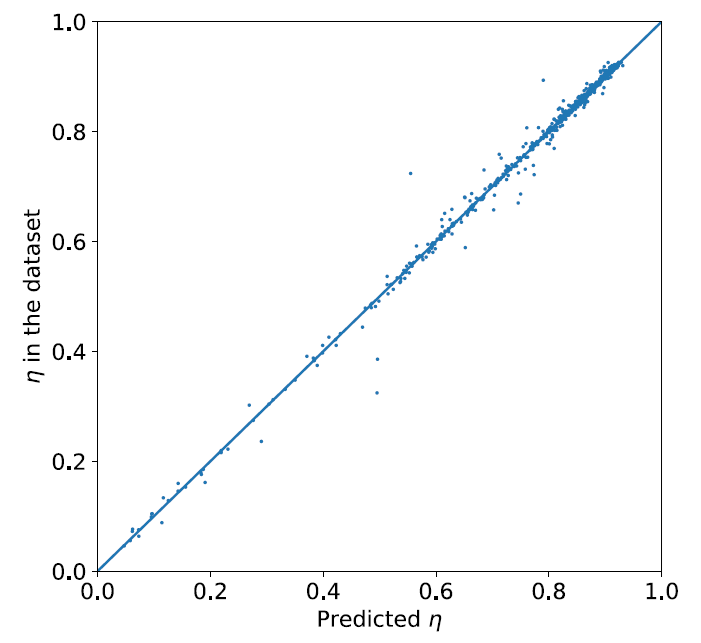
New Model Brings HT-ATES into the Heart of Energy Systems
A new study by David Geerts and Wen Liu from Utrecht University and Alexandros Daniilidis from TU Delft presents a groundbreaking solution for integrating High-Temperature Aquifer Thermal Energy Storage (HT-ATES) into energy system modeling. The key innovation? A fast, accurate, and openly accessible data-driven model that estimates the production temperature of HT-ATES systems—without the computational…