Registration Summer School 2026
From June 30th until July 2nd 2026, we will host a summerschool about Underground Thermal Energy Storage in Bochum, Germany. This is a three day event, aimed at Master’s and PhD students of all backgrounds with an interest in thermal energy storage. It will consist of excursions, lectures workshops and some leisure activities.
The registration period for the summer school has ended.
Program
The program will consist of lectures by scientist from multiple disciplines, activities and assignments to implement the knowledge from those lectures and visits to relevant places in the neighbourhood.
| Time | Day 1 (30 June) | Day 2 (1 July) | Day 3 (2 July) |
|---|---|---|---|
| 09:00 - 09:45 | Lecture 1: Europe’s energy transition + PUSH IT intro | Lecture 3: Geological requirements | Lecture 6: Future R&D directions |
| 09:45 - 10:30 | Lecture 2: Hydro-dynamics and heat transfer | Lecture 4: Integration with district heating | Lecture 7: Policy and regulation |
| 10:30 - 11:15 | Coffee Break, creative activities | Coffee Break, creative activities | Coffee Break, creative activities |
| 11:15 - 12:00 | Activity: Simulation workshop | Lecture 5: Thermodynamics and smart control systems | Lecture 8: Societal Engagement |
| 12:00 - 12:45 | Activity: Simulation workshop | Activity: Impact workshop | Assignment: Market potential & concept proposal |
| 12:45 - 13:30 | Lunch break | Lunch break | Lunch break |
| 13:30 - 14:15 | Assignment: introduction | Assignment: tbd | Activity: Student presentations |
| 14:15 - 15:00 | Assignment: Mapping potential sites | Assignment: Design HT-UTES in case cities | |
| 15:00 - 15:45 | Assignment: tbd | Visit: Coal museum | Coffee Break and exhibition of creative activities |
| 15:45 - 16:30 | Visit: PUSH-IT demo site | Activity: panel discussion | |
| 16:30 - 17:15 | |||
| 17:15-18:15 | Break/Free time | Break/Free time | Break/Free time |
| 18:15 - | BBQ at Fraunhofer IEG | Dinner at Coal museum | Pizza Party at Fraunhofer IEG |
Practical information
The summer school is free of charge! This includes all activities in the program above, but does not include a hotel. That is up to you to choose. In case of no-show, we will charge you a €100,- cancellation fee.
The location of the summer school is mostly Fraunhofer IEG in Bochum, Germany. Some of the activities take place at the Ruhr University Bochum, which is only a few minutes on foot.
Lecturers
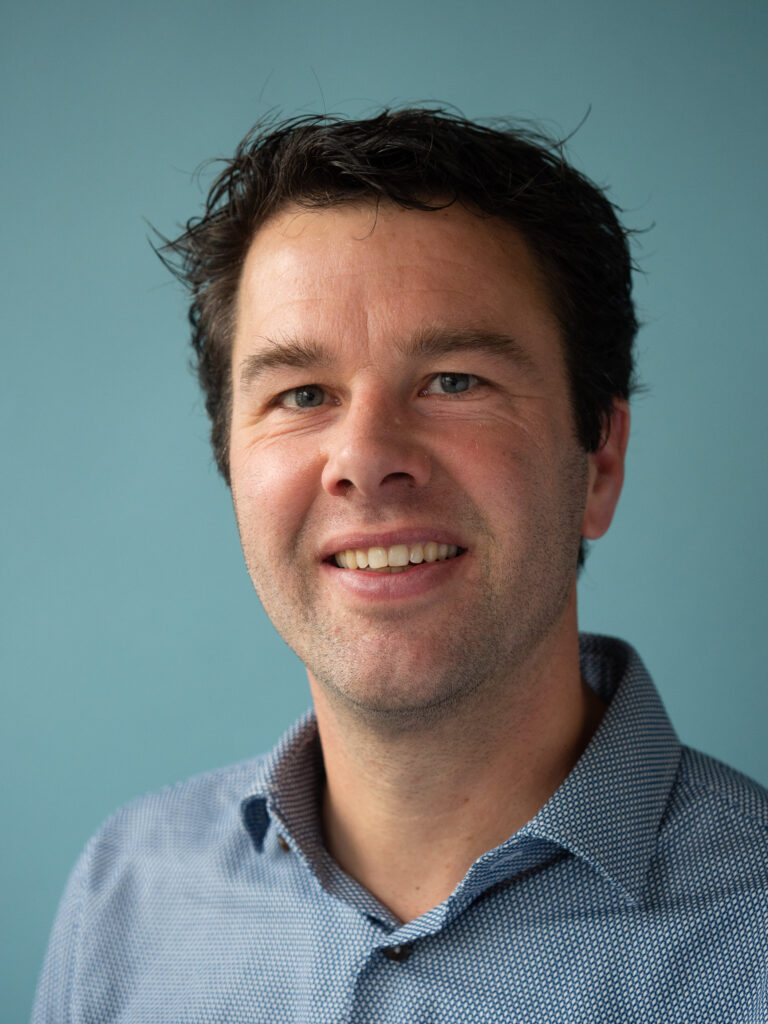
Dr. Martin Bloemendal, TU Delft
The subsurface plays a crucial and growing part in sustainably cooling and heating buildings. My vision is that the enormous potential of this source of renewable energy must be put to is maximum use and must be available for future generations.
I am a specialist in Underground Thermal Energy Storage (UTES) and work on various studies on utilization of sustainable heat by means of seasonal storage in the subsurface. In these endeavors I always considers the system as a whole, which means not only the subsurface system, but also consumers and the required facilities to utilize the available heat. That is why I also have extensive knowledge of related and complementary techniques (ranging from well/borehole drilling and completion technology to heat pump, building facilities and control). My focus is not on the technical aspects only; I also work on organizational and policy-based issues concerning sustainable heating and cooling, as these are key for optimal and sustainable utilization of subsurface resources in practice. At TU Delft I work on various projects to further develop UTES and teach courses at various levels and faculties.
Next to my appointment at Delft University of Technology I have leading position on UTES at TNO, the Dutch Geological Survey. The combination TNO-TU Delft allows me to develop proof of concept of new ideas at the university and subsequently implement these in pilot projects with industry in TNO projects (bridging science to practice).
Sustainable energy has received substantial attention over the last years/decades. Heat is the largest part of the worldwide energy requirement (space heating/cooling, industry, etc.). As with many other renewable or sustainable energy sources, also with heat, the biggest challenge is dealing with the variability in the availability and demand. Heat storage is one of the major solutions to match heat availability to demand. Aquifer Thermal Energy Storage (ATES) and Borehole heat exchangers are, therefore, among the important geothermal energy technologies needed to utilize sustainable heating and cooling systems of buildings – and in particular, provides cheap and large scale storage. Both, high quality research and education as well as large scale adoption of UTES technology are needed during the coming decades at national and international level.
I am the project coordinator of PUSH-IT and Delft HT-ATES site lead. This summer school I will give the first lecture, which consists of a general introduction to UTES, the role of UTES in energy transition and the key challenges we face. I will also give the 6th lecture, together with Elke, about the future directions for research and development of UTES systems.
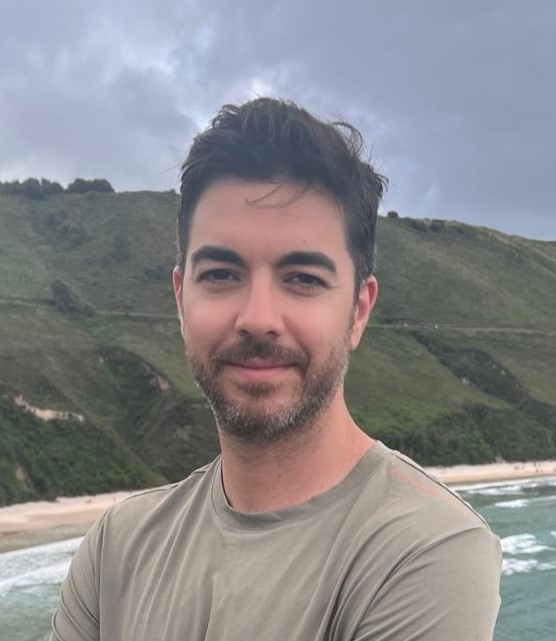
Dr. Andres Gonzalez Quiros, British Geological Survey
My name is Andres Gonzalez Quiros, and I am a geothermal scientist and hydrogeologist at the British Geological Survey, based in the Edinburgh office. In my current role, I work on resource characterisation, numerical modelling, and hydrogeophysics. I also co-lead the IEA Geothermal Mine Water Energy Expert Group.
Within the PUSH-IT project, I contribute to the assessment of regulatory frameworks for HT-UTES, a task led by BGS, and I am involved in the feasibility study of the United Downs mine thermal energy storage site.
At the Summer School, I will deliver Lecture 2, covering the fundamentals of groundwater flow and heat transfer, with a focus on geothermal and thermal energy storage applications. I will also contribute, together with Iain Soutar, to a session on Policy, Regulation and Social Engagement (lecture 7), which will include a small-group role-play exercise.
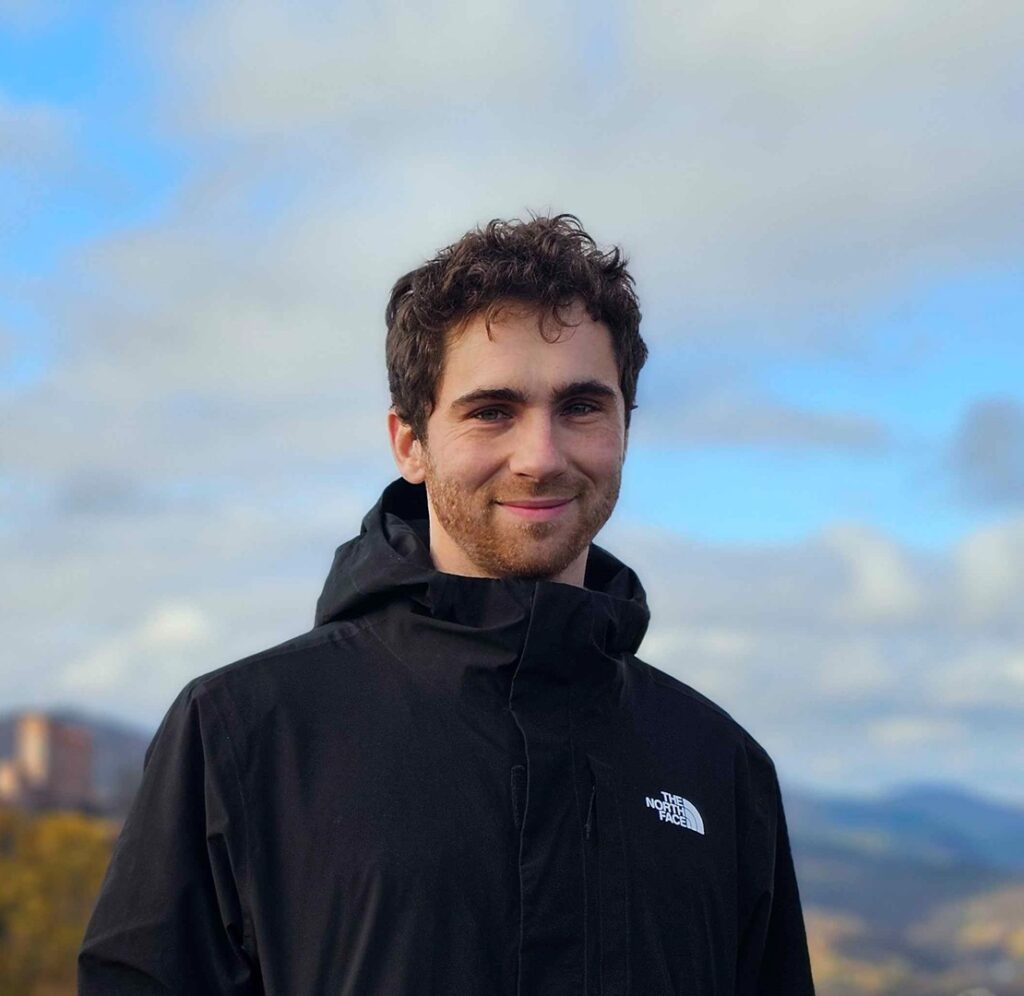
Max Ohagen, TU Darmstadt
My name is Max Ohagen and I am a Research Associate and PhD Student in the Geothermal Science and Technology Group at the Technical University of Darmstadt. I hold a Master of Science in Geosciences, specialising in computational geosciences. As a researcher, my main focus is the coupled simulation and co-simulation of geothermal systems and district heating networks. I also contribute to the PUSH-IT project by building ‘digital twins’ of the three demonstrator sites, including subsurface finite element method (FEM) models and thermo-hydraulic models of the surface installations.
I will contribute a simulation workshop to the summer school. In this workshop, we will use open-source software and tools to build, simulate and evaluate one of the three UTES systems step by step. The workshop will teach participants the basic principles and steps involved in building and simulating UTES models, enabling them to create more complex models on their own.
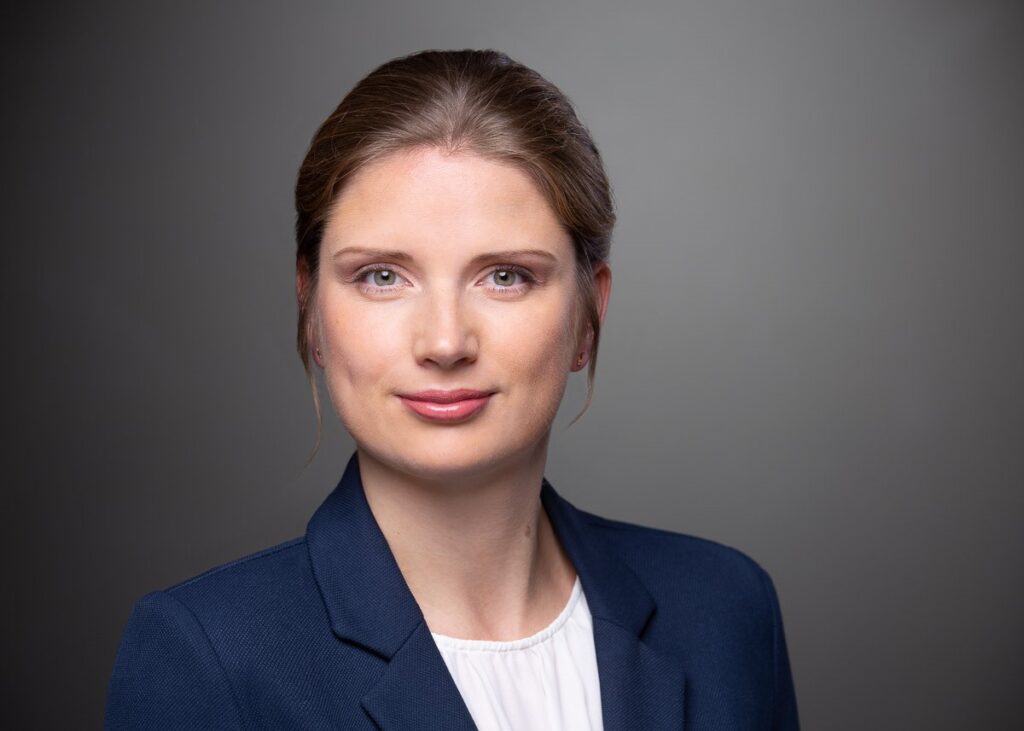
Dr. Nadezda Meier, Fraunhofer IEG
I studied Petroleum Geology in Moscow, Russia. After completing my PhD, I worked in the Exploration Department at the international energy company Total. Four years ago, I moved into the field of geothermal energy, starting work at Fraunhofer IEG in Cottbus, Germany.
As a research geologist, I specialise in geothermal and petroleum exploration, geological modelling, and subsurface risk assessment. I contribute to academic and applied research in geothermal geology at a national and international level and conduct geothermal potential assessments as well as feasibility studies.
Within the PUSH-IT project, I assist Prof. Dr. David Bruhn in coordinating Work Package 1, which involves installing underground storage systems at six sites and testing innovative storage technologies at selected sites.
At the Summer School, I will be delivering Lecture 3: Geological Requirements, which provides a comprehensive overview of the key geological conditions relevant to subsurface energy applications. The lecture covers fundamental aspects such as reservoir and seal rocks, including their formation, characteristics, and role in geothermal operation. In addition, it addresses thermal properties and subsurface temperature regimes, which are critical for assessing geothermal potential and designing underground heat storage.
Furthermore, the lecture explores the mechanical properties of rocks, with a focus on their relevance for stability during the drilling and production of the storage. Hydraulic properties, including porosity, permeability, and fluid flow behavior, are also discussed to provide an understanding of fluid transport and storage processes in the subsurface.
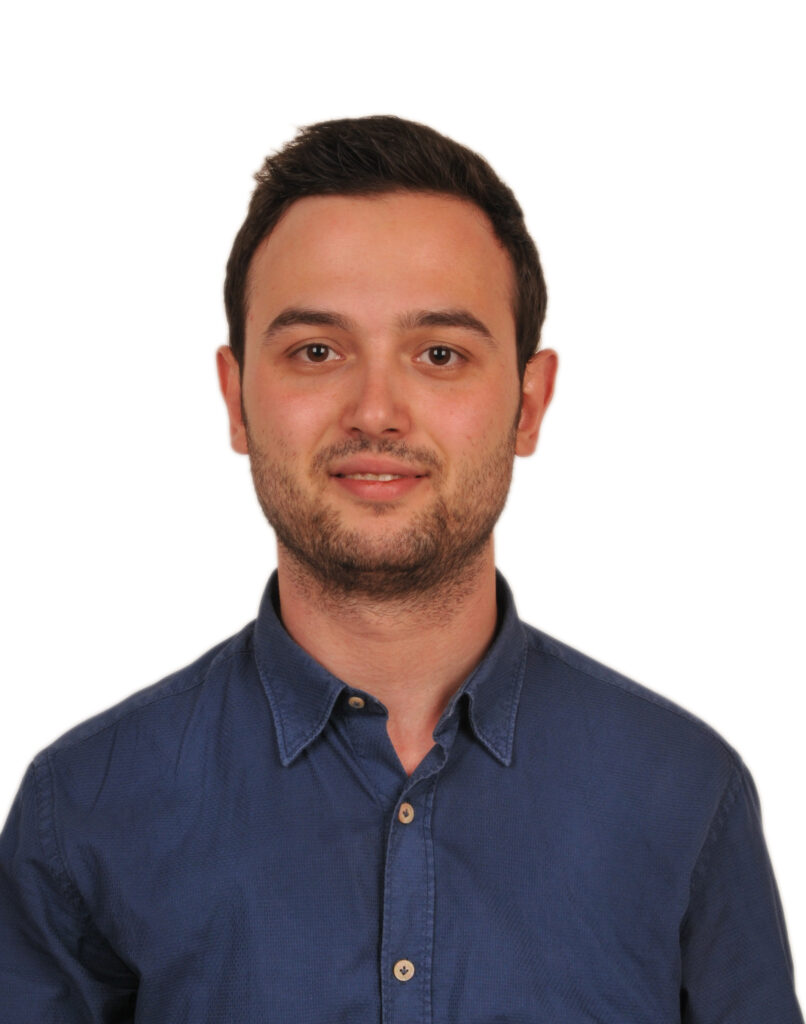
Dr. Ergin Kükrer, TU Delft
I am postdoctoral researcher at TU Delft, focusing on the integration of thermal storage into heating and cooling systems. My work connects geo-energy resources, building demand, heat pumps, and district heating networks to explore how thermal storage can support more flexible and sustainable energy infrastructures. Within PUSH-IT, I work on the Delft demo site, focusing on the integration of high-temperature aquifer thermal energy storage with district heating systems through dynamic co-simulation and system-level analysis.
I will give lecture 4, on Integration with District Heating. The lecture will focus on the system-level integration of high-temperature aquifer thermal energy storage with district heating systems, with particular attention to dynamic modelling and co-simulation. It will discuss how surface energy systems, building demand, network operation, and subsurface storage behaviour can be linked to assess long-term performance and operational strategies.
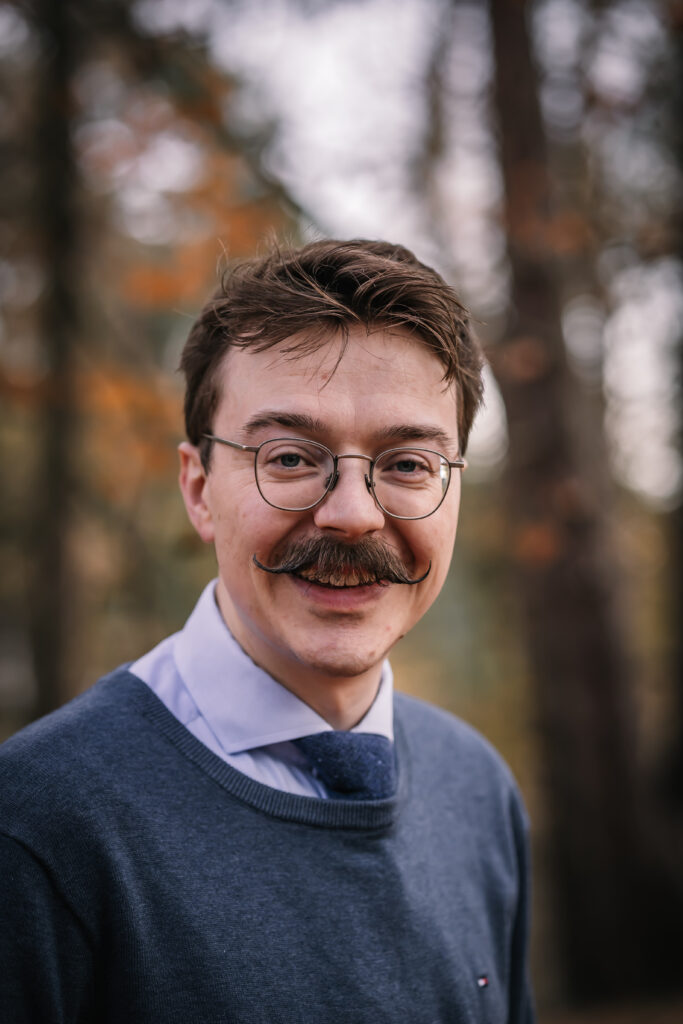
Dr. Bram van der Heijde, VITO
I am Bram van der Heijde – born in the Netherlands, but lived in Belgium for most of my life. My expertise is modelling, design and control of District Heating and Cooling networks, including thermal energy storage. I got introduced to the topic during my master thesis at KTH in Stockholm and continued with a PhD at KU Leuven and VITO. After broadening my horizon in the topics of energy market regulation at the Flemish Energy Regulator (VNR) and EU-wide sustainable energy tracking at the Association of Issuing Bodies (AIB) I returned to thermal energy research at VITO/EnergyVille.
In PUSH-IT, VITO is mostly involved in thermal modelling of the demonstration sites, and the development of smart controllers that decide how to best generate, store and deliver heat.
I will give lecture 5, about smart control of district heating systems – to learn how smart control can help us to get most out of geothermal energy and underground storage.

Serge Santoo, Polycentric
My name is Serge Santoo, and I work as a senior advisor and head of strategy at Polycentric. As founder of Polycentric, we help organizations translate complex transition challenges into strategy, communication and engagement that move people into action. Our work explores how the energy transition can become not only technically feasible, but also human-centered and just. We bring together different worlds: from researchers and entrepreneurs to governments, residents and civil society organizations. Clients are often consortia involving organizations such as the Ministry of Economic Affairs, the Municipality of Amsterdam, Energy Innovation NL and TU Delft, as well as companies including Equans, Vattenfall and EBN. I have a background in communication sciences, innovation management and business administration. On of my starting points is that sustainable innovation only truly works when people understand each other, different perspectives are taken seriously, and collaboration leads to concrete change. In the PUSH IT project I am responsible for Work Package 4. With our team we’re working on Dissemination, Exploitation and Communication.
During the Summer School, we will organize sessions about the socio-economic parts of our PUSH-IT project, i.e. multi-actor systems, stakeholder engagement and exploitation strategies.
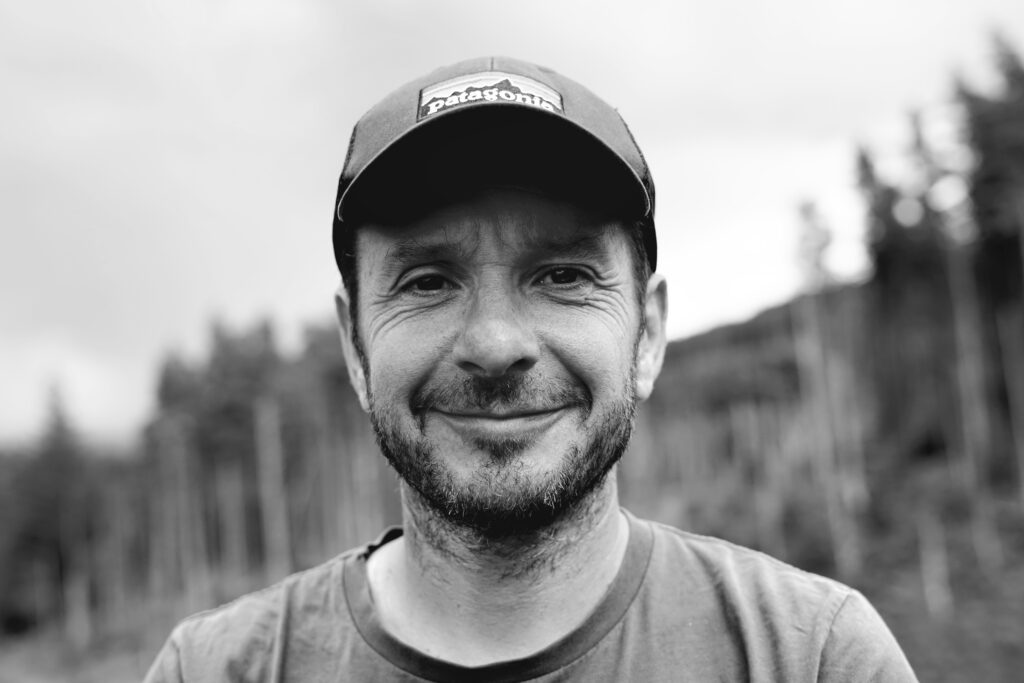
Dr. Iain Soutar, University of Exeter
I am a social scientist focused on understanding processes of change within energy systems. I draw on ideas and methods from multiple disciplines to a) advance our theoretical understanding of energy system change and b) develop practical recommendations for stakeholders seeking to affect change towards more sustainable energy systems.
In PUSH-IT I co-lead WP2 on Public Engagement, Societal Benefit and Risks. During the summer school, I will deliver the 8th lecture about societal engagement.

Dr. Elke Mugova, Fraunhofer IEG
My name is Elke Mugova and I am a hydrogeologist and engineering geologist specialised in post-mining and mine water. I studied at the TU Bergakademie Freiberg in Saxony, Germany, in the region where I also grew up. After working at various locations throughout southern Germany and South Africa, I joined the Fraunhofer Research Institution for Energy Infrastructures and Geotechnologies IEG, Competence Centre Post-Mining Exploitation in Bochum in 2025.
in the PUSH-IT project I work both at the drilling site and also handle public relations for our MTES pilot system. On the one hand, this involves the classic work of a hydrogeologist, such as taking water samples from the old mine that we have drilled into. On the other hand, I also prepare information for the public or professional community, for example as newspaper articles, radio reports, citizen dialogues or at events.
Together with Martin Bloemendal, I will give the 6th lecture of this summer school. That will be about the future directions for research and development of UTES systems.

PUSH-IT is a project funded by the European Union’s Horizon Europe research and innovation programme under grant agreement No 101096566.
Funded by the European Union. Views and opinions expressed are however those of the author(s) only and do not necessarily reflect those of the European Union. Neither the European Union nor the granting authority can be held responsible for them.